
Food Franchise in India
Updated for 2026 | 500+ Food Franchise Opportunities | Expert Guidance from Franchise Circle
Explore the best food franchise opportunities in India 2026. Compare investment, ROI and top brands across QSR, cloud kitchen and cafe formats. Free consultation.
Why Start a Food Franchise Business in India?
India’s food service industry is one of the fastest-growing sectors in the country, expanding at over 9% annually and driven by a population that increasingly prefers eating out, ordering in and trying new formats. Nuclear families, working millennials and the rapid spread of food delivery platforms have permanently changed how Indians consume food — and this shift has created a long-term, structural opportunity for food franchise investors across every tier of city.
Unlike starting an independent restaurant from scratch, a food franchise gives you a tested menu, an established brand name, a trained supply chain and an operational system from day one. This reduces both the learning curve and the risk of failure, which is why food franchises consistently attract more first-time investors than any other category in India.
For anyone exploring food franchise opportunities in India, the market in 2026 offers more variety than ever before — from kiosk formats that start under ₹5 lakh to premium dine-in brands that target high-footfall malls and corporate parks. Investors can also explore verified food franchise brands on our Brand Page.
What makes India’s food franchise market genuinely different from a decade ago is the rise of formats built specifically for profitability rather than brand size. Cloud kitchens require no dine-in space, lower staff count and minimal setup, yet tap directly into India’s booming food delivery economy through platforms like Zomato and Swiggy. Street food QSRs with a ticket size of ₹60 to ₹150 serve 150 to 300 customers daily from compact kiosks, generating strong volume with low overhead. These formats are rewriting the ROI math for food franchise investment — and they are accessible to investors who could not have entered the market five years ago.
Popular Franchise Categories
Quick Service Restaurants (QSR)
QSRs are the backbone of India’s food franchise market — fast, standardised and built for high volume. Strong performers in malls, high streets and near metro stations.
Street Food & Chaat Franchises
India’s street food market alone exceeds ₹1 lakh crore. Branded chaat and snack franchises bring structure and hygiene to this demand, starting under ₹5 lakh.
Cloud Kitchen Franchises
No dine-in space, lower rent, fewer staff — cloud kitchens deliver strong margins by operating purely through delivery platforms. A growing favourite among urban investors.
Cafe & Beverage Franchises
From chai cafes to specialty coffee brands, this format thrives in IT parks, colleges and high-street markets with consistent daily footfall.
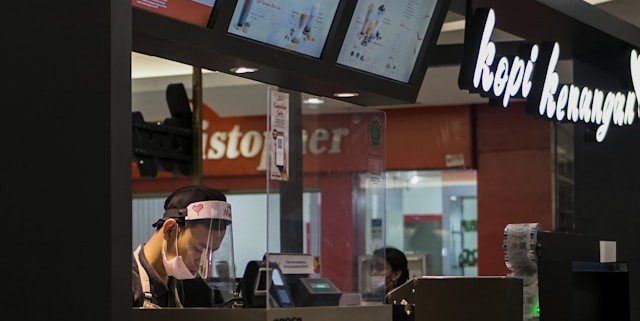
How a Food Franchise Business Works
A food franchise works on a straightforward model — you pay a one-time franchise fee to the parent brand, set up your outlet as per their specifications, hire and train staff (with franchisor support), and operate the business under their brand name. In return, the franchisor provides the menu, recipes, packaging, training, marketing materials and an ongoing supply chain.
Most food franchise agreements in India run for 3 to 5 years, with the option to renew. Royalty fees typically range from 4% to 8% of monthly gross sales, depending on the brand. Some brands also charge a marketing contribution (usually 1% to 2%) which funds national-level advertising that benefits all franchise partners.
The day-to-day operation is handled by you and your team — the franchisor does not run the outlet. What they do provide is a system that removes the guesswork from inventory, pricing, quality control and customer experience. This is the core advantage of a franchise over an independent restaurant, and it is why well-run food franchise outlets typically break even within 12 to 18 months.
Food Franchise Investment in India: What to Expect
Investment in a food franchise varies significantly based on the format, brand, city and outlet size. Understanding the full cost structure before you commit is critical — the franchise fee is just one part of the picture.
| Format | Investment Range | Typical Breakeven |
|---|---|---|
| Street Food / Kiosk | ₹2 Lakhs – ₹8 Lakhs | 6 – 12 months |
| Cloud Kitchen | ₹5 Lakhs – ₹15 Lakhs | 8 – 14 months |
| Quick Service Restaurant (QSR) | ₹8 Lakhs – ₹25 Lakhs | 12 – 18 months |
| Cafe / Beverage Outlet | ₹10 Lakhs – ₹30 Lakhs | 12 – 20 months |
| Casual Dining | ₹25 Lakhs – ₹60 Lakhs | 18 – 30 months |
Beyond the initial setup cost, investors should budget for working capital covering at least 3 to 6 months of operating expenses — rent, salaries, raw materials and utilities. Most experienced food franchise investors recommend keeping this buffer ready before signing a franchise agreement, as early months typically run below breakeven while the outlet builds its customer base.
Profit margins in food franchises typically range from 20% to 40%, depending on the format, location and how tightly the operations are managed. Lower-investment kiosk and cloud kitchen formats often deliver higher percentage returns on capital, while larger dine-in formats generate higher absolute monthly profits once they stabilise.
Benefits of Investing in a Food Franchise
Proven Business Model
You are buying a system that has already worked elsewhere — tested menu, supply chain, operations and customer experience.
Brand Recognition
Customers already know and trust the brand before your outlet opens, reducing the time needed to build footfall.
Training and Support
Most food franchise brands provide staff training, operational manuals, marketing materials and ongoing support from a dedicated field team.
Lower Failure Risk
Food franchises have significantly lower failure rates than independent restaurants because the core business decisions — menu, pricing, sourcing — are already made.
Ready to explore food franchise opportunities? Get Free Consultation
Popular Food Franchise Opportunities in India
Explore verified food franchise brands across formats and investment levels, available across India.
Food Franchise
Available Across India
Popular Brands:
- Bikanervala (₹50L–2Cr)
- Haldiram (₹30L–50L)
- Wow Momo (₹15L–30L)
- The Belgian Waffle Co. (₹10L–20L)
Available Across India
Popular Brands:
- Tea Time (₹10L–15L)
- Chai Sutta Bar (₹16L–30L)
- MBA Chai Wala (₹8L–25L)
- Chai Point (₹25L–30L)
Education Franchise
Available Across India
Popular Brands:
- Kidzee (₹10L–15L)
- Bachpan Play School (₹8L–12L)
- EuroKids (₹8L–15L)
- Hello Kids (₹6L–10L)
Coffee Franchise
Available Across India
Popular Brands:
- Barista (₹30L–50L)
- Brewbakes (₹10L–12L)
- Coffee Day Xpress (₹5L–8L)
- Blue Tokai (₹20L–30L)
Salon Franchise
Available Across India
Popular Brands:
- Jawed Habib (₹15L–30L)
- Naturals (₹30L–50L)
- Green Trends (₹20L–30L)
- Lakme Salon (₹50L–80L)
Service Franchise
Available Across India
Popular Brands:
- DTDC (₹2L–6L)
- Delhivery (₹1L–5L)
- JustDial (₹2L–5L)
- FirstCry Partner Store (₹15L–25L)
Top Food Franchise Formats Driving Growth in India
India’s food franchise market has diversified significantly, with multiple formats now competing for investor attention — each with its own economics and target customer. Quick-service restaurants remain the dominant format, driven by consistent demand for fast, affordable meals near offices, colleges and transport hubs across every tier of city.
Cloud kitchens have emerged as one of the fastest-growing formats, particularly in urban markets where delivery platforms have expanded the customer base beyond physical footfall alone. Street food and chaat franchises continue to attract first-time investors because of their low entry cost and India’s deep cultural familiarity with these food categories.
Cafe and beverage brands, including chai cafes, specialty coffee and smoothie outlets, are growing rapidly in IT parks, coworking spaces and college markets. Together, these formats continue to drive food franchise growth across Tier 1, Tier 2 and Tier 3 cities throughout India. It’s worth noting that format matters more than brand size when evaluating food franchise ROI. A ₹4 lakh kiosk investment generating ₹5 lakh annually delivers better percentage returns than a ₹20 lakh QSR setup generating ₹11 lakh — even though the absolute profit is higher in the second case. Investors who understand this distinction make better decisions about which format suits their capital and income goals.
Best Cities for Food Franchise Business in India
Delhi NCR remains one of the strongest markets for food franchise investment, with consistently high footfall across malls, high streets and corporate areas in Delhi, Noida, Gurgaon, Faridabad and Ghaziabad.
Mumbai offers extremely dense footfall around railway stations and commercial hubs, supporting both high-volume QSR formats and premium cafe brands. Bangalore‘s large IT workforce and strong cafe culture make it one of the best cities for food and beverage franchise brands targeting young, high-spending professionals.
Tier 2 cities like Lucknow, Jaipur, Indore, Bhopal and Chandigarh are increasingly attracting food franchise brands because of lower rents, lower competition and rapidly growing consumer demand. The general principle holds across all cities — location within the city matters as much as the city itself. A well-placed outlet in a Tier 2 city can outperform a poorly located outlet in a metro.
Why Now Is a Good Time to Invest in a Food Franchise
India’s food franchise market is at an inflection point. Tier 2 and Tier 3 cities are now the primary growth engines, with low-investment formats reporting faster breakeven and stronger ROI than many metro setups — partly because rents are lower and competition from established brands is still limited.
The rise of food delivery platforms has also expanded what a franchise can earn beyond its physical location. An outlet with 50 walk-in customers a day can add another 80 to 120 delivery orders on top of that, significantly improving unit economics without increasing the outlet size.
For investors looking at food franchise opportunities in India in 2026, the window to enter growing markets before they saturate is narrowing. Brands are actively seeking franchise partners in cities where they do not yet have presence — and first-mover advantage in a new territory has historically translated into stronger long-term returns.
Still have questions? Talk to Our Franchise Expert. Talk to Our Experts
How To Choose the Right Food Franchise in India
Before committing to a food franchise, evaluate the brand’s existing outlet performance — not just their marketing claims. Ask for contact details of current franchisees and speak to them directly about support quality, actual monthly earnings and any operational challenges they have faced.
Match the format to your city and location. A cloud kitchen model makes sense in a high-delivery urban market but may underperform in a smaller town where walk-in culture is strong. Similarly, a premium cafe brand will struggle near an industrial area but thrive in a corporate park or residential high street.
Also review the complete cost structure before signing — franchise fee, setup cost, royalty, marketing contribution, raw material sourcing requirements and minimum order commitments. Franchise Circle’s consultants help investors review all of this before making a decision. New investors can review investor resources on our Investor Page. Those working with a limited budget can also check our Franchise Under 5 Lakhs and Franchise Under 10 Lakhs pages for specific food franchise options within their range.
Check Brand Reputation
For food franchises specifically, verify the brand’s existing outlet count, average monthly sales data and franchisee satisfaction before signing. A site visit to an existing outlet is always worth doing.
Understand Total Investment
Food franchise investment includes franchise fee, kitchen equipment, interior fit-out, initial raw material stock and working capital for at least 3 to 6 months of operations. Never calculate only the franchise fee.
Review Support System
Confirm what the food franchisor actually provides — menu training, supply chain access, marketing materials, field visits and technology support. Quality varies significantly between brands.
Analyze Market Demand
For food franchises, footfall analysis around your shortlisted location is critical. A location with 500 daily walk-ins will outperform a premium address with 100, regardless of the brand name above the door.
Why Trust Franchise Circle?
Registered MSME
Franchise Circle is a registered MSME business helping entrepreneurs connect with franchise opportunities.
Franchise Consultants
Expert franchise consultants assist investors in selecting suitable business opportunities.
Brand Verification Process
Every franchise opportunity is reviewed before being presented to investors.
PAN India Presence
Supporting franchise seekers and brands across multiple cities in India.
Franchise Circle In Numbers
500+
Franchise Opportunities
2000+
Investors Assisted
100+
Brands Listed
PAN India
Support Network
Franchise Categories Comparison
Compare popular franchise categories based on investment level, risk factor and expected return on investment (ROI). Compare leading franchise categories based on investment requirements, business risk and expected returns.
| Category | Investment Level | Risk Level | Typical ROI Period |
|---|---|---|---|
| Food Franchise | Medium to High | Medium | 12 – 24 months |
| Tea Franchise | Low to Medium | Low | 8 – 14 months |
| Education Franchise | Low to Medium | Low | 12 – 18 months |
| Coffee Franchise | Medium | Medium | 12 – 20 months |
| Salon Franchise | Low to Medium | Low | 10 – 16 months |
| Service Franchise | Low | Low | 6 – 12 months |
Expert Reviewed Content
This content has been reviewed by Franchise Circle’s consulting team with direct experience evaluating food franchise brands across India. Our consultants have assessed investment structures, royalty models and franchisor support systems across QSR, cloud kitchen and cafe formats to help investors make informed decisions.
Author Profile
Franchise Circle’s consulting team has guided investors across food, education and service franchise categories, with direct experience evaluating brand performance and investment returns across Tier 1 and Tier 2 cities in India.
Franchise Consultants
Expert franchise consultants helping investors choose suitable business opportunities.
MSME Registered
Franchise Circle is a registered MSME supporting entrepreneurs and franchise investors.
5+ Years Experience
Providing franchise consulting and investment guidance for over 5 years.
2000+ Investors Assisted
Helping investors discover profitable franchise opportunities across India.
Reviewed by Franchise Circle Consultants
Related Franchise Resources
Explore additional franchise resources and investment opportunities:
Frequently Asked Questions
What is a food franchise and how does it work in India?
A food franchise is a business model where you pay a fee to operate under an established food brand’s name, menu and system. The franchisor provides training, supply chain and support while you manage the outlet’s day-to-day operations.
How much does it cost to start a food franchise in India?
Investment varies by format. Kiosk and street food franchises can start from ₹2 lakh to ₹8 lakh, cloud kitchens from ₹5 lakh to ₹15 lakh, QSRs from ₹8 lakh to ₹25 lakh, and casual dining formats can exceed ₹50 lakh.
Which food franchise is most profitable in India in 2026?
Profitability depends on format, location and brand. Lower-investment formats like kiosks and cloud kitchens often deliver stronger percentage returns, while larger QSR and dining formats generate higher absolute monthly profits once established.
What is the breakeven period for a food franchise in India?
Most food franchises in India aim for breakeven within 12 to 18 months with consistent operations. Lower-investment kiosk and cloud kitchen formats can break even in 6 to 12 months.
Do I need prior restaurant experience to start a food franchise?
No. Most established food franchise brands provide complete training covering operations, staff management, quality control and customer service as part of the franchise agreement.
What is a cloud kitchen franchise and is it a good investment?
A cloud kitchen operates purely through food delivery platforms with no dine-in space. It requires lower investment, fewer staff and less space than a traditional outlet, making it a strong option for urban markets with high delivery demand.
How much royalty does a food franchise charge in India?
Royalty fees for food franchises in India typically range from 4% to 8% of monthly gross sales, with some brands also charging a 1% to 2% marketing contribution.
Which cities are best for food franchise investment in India?
Delhi NCR, Mumbai and Bangalore are established markets with high footfall. Tier 2 cities like Lucknow, Jaipur, Indore and Chandigarh are growing fast with lower rents and less competition.
Can I start a food franchise under ₹5 lakhs in India?
Yes. Several street food, chaat and kiosk franchise brands are available under ₹5 lakh in India, with some starting as low as ₹2 lakh to ₹3 lakh for compact formats.
How can Franchise Circle help me find the right food franchise?
Franchise Circle helps investors shortlist verified food franchise brands based on their budget, preferred city and business goals, and connects them directly with franchisors for transparent discussions.
What are the risks of investing in a food franchise in India?
Key risks include choosing the wrong location, underestimating working capital needs and selecting a brand without verifying actual franchisee performance. Working with an experienced consultant before signing any agreement significantly reduces these risks.
How can I get in touch with Franchise Circle for food franchise guidance?
You can reach Franchise Circle through the contact form, phone number or email listed on this page, and our consultants will help you shortlist food franchise options that match your budget and preferred location.
Need personal guidance? Contact our franchise consultants.